Six Smart Principles Behind Successful Xeriscaping
In today’s challenging conditions, a well-designed xeriscape that works with Colorado’s climate rather than against it is more important than ever.

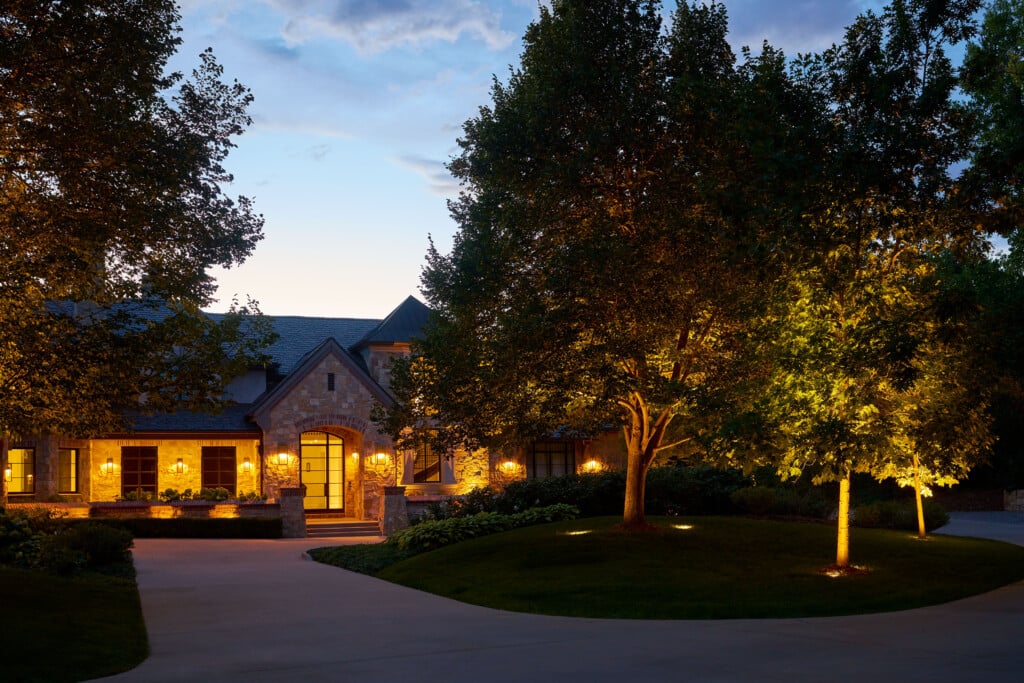
Photo: Andrew Olson
Though it may seem like a trend born of seasons and water restrictions, xeriscaping in Colorado is anything but a recent phenomenon. A landscape philosophy shaped by the realities of the Front Range climate (low humidity, intense sun, fluctuating temperatures and limited annual precipitation) the roots of this approach run deep.
“Xeriscaping is not about limitation,” says LeAnn Ostheimer, President of Lifescape Colorado. “It is about designing intelligently for the place you actually live.” And that means not about sacrificing beauty for sustainability, but using water more thoughtfully, selecting plants more intentionally and building outdoor spaces that are as livable as they are resilient.
Here, we share six actionable guidelines to integrating xeriscaping into your landscape design:
Thoughtful planning comes first.

Photo: Andrew Olson
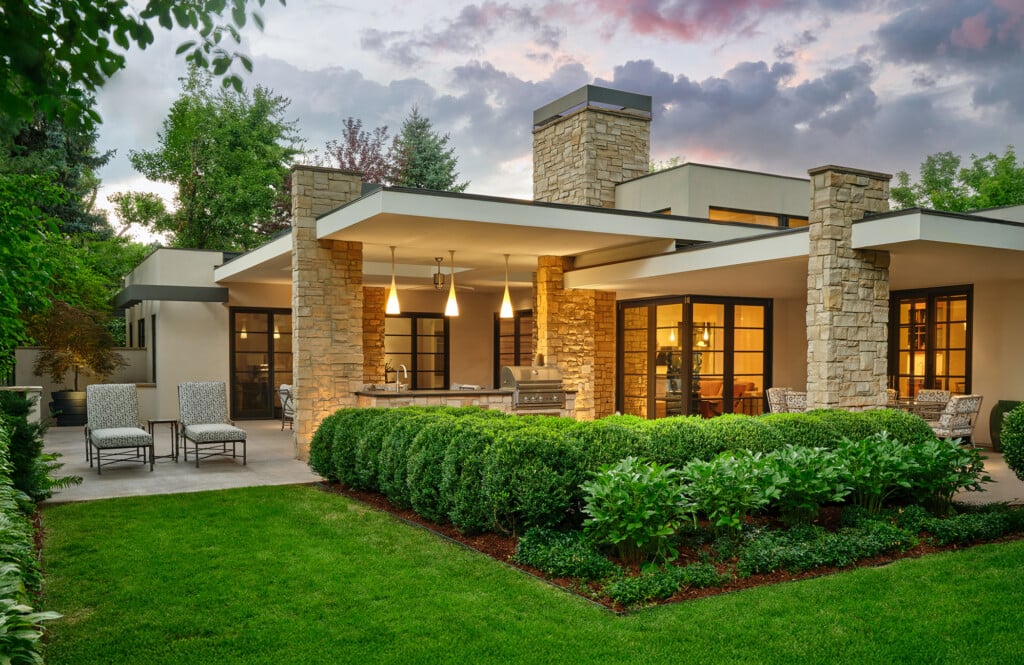
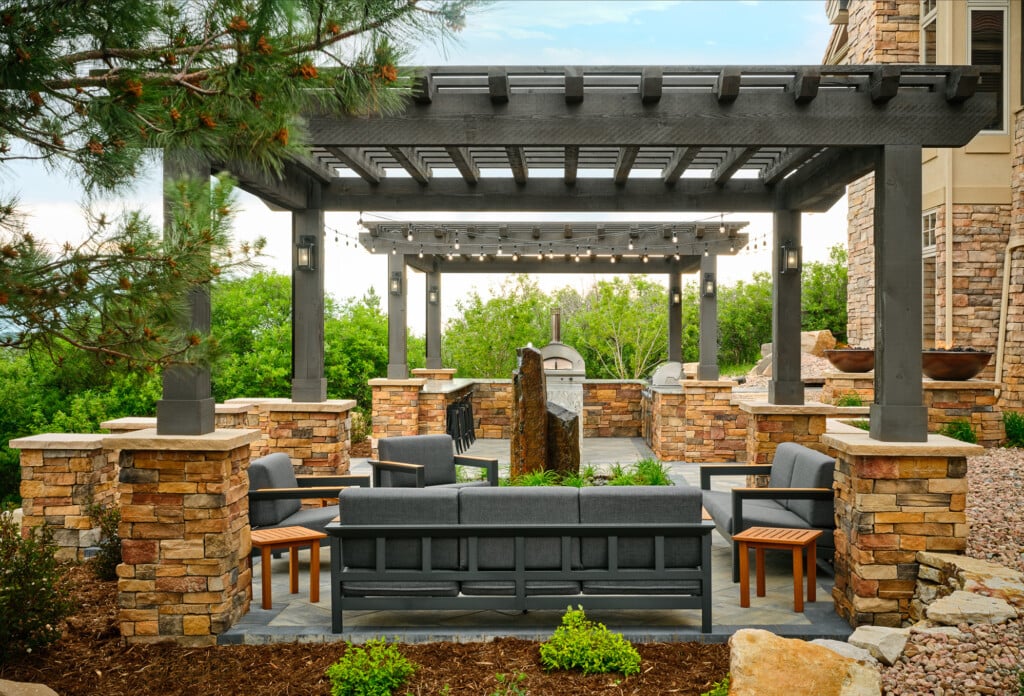
Every successful xeriscape begins with understanding the property itself. Sun exposure, grading, drainage, soil composition, views, and architecture all shape how the landscape should be organized. Xeriscaping divides the property into hydrozones, areas grouped by water demand and environmental conditions, so that irrigation, plant selection and maintenance work more efficiently together. This result is a landscape that feels cohesive rather than fragmented.
Turf should be intentional.

Photo: Andrew Olson
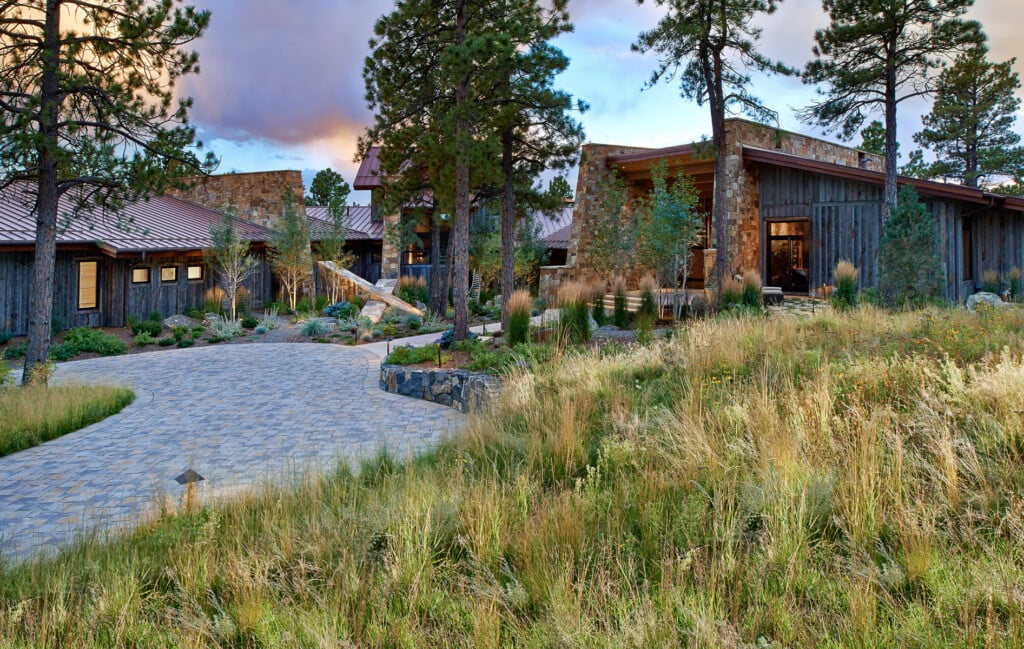
Traditional lawns remain one of the largest consumers of residential water across Colorado. This doesn’t mean turf should disappear entirely. It simply means it should be used with purpose. In many successful xeriscapes, lawn areas are reduced strategically and replaced with native grasses, layered planting beds, ground covers, and natural stone. This produces landscapes that are not only more sustainable, but more visually interesting and functional.
Plant selection shapes everything.

Photo: Andrew Olson
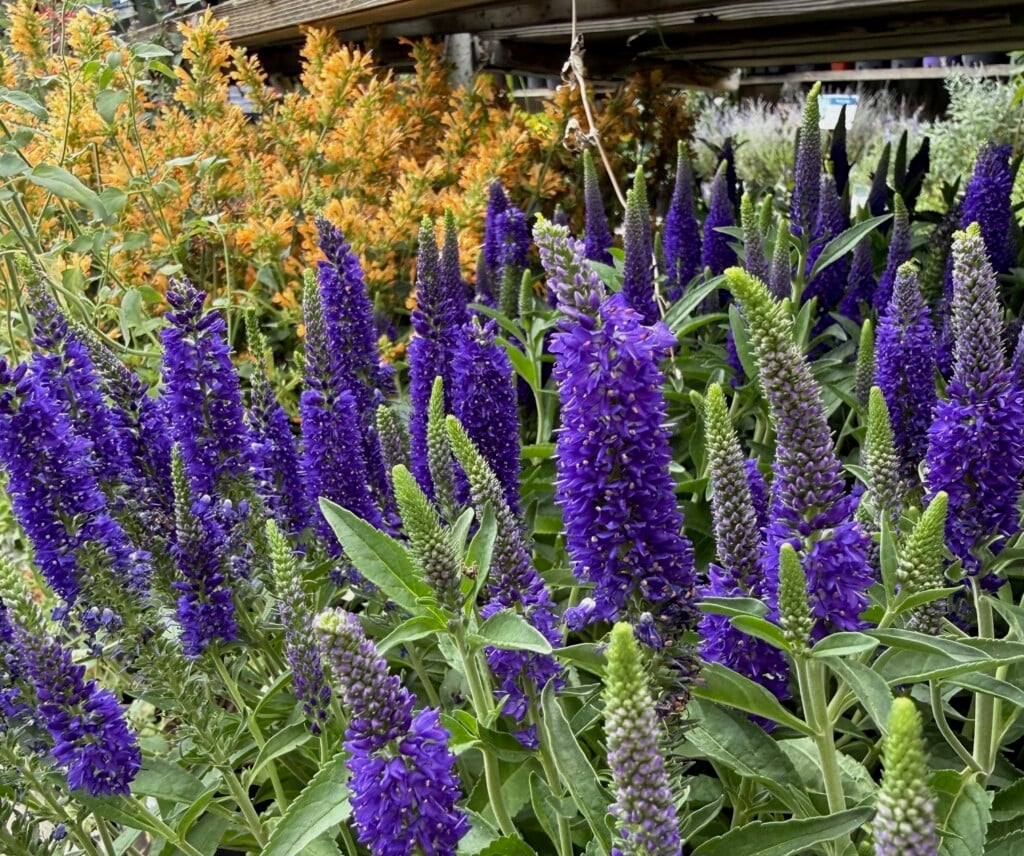
Colorado’s best water-wise landscapes rely on layered planting palettes that combine ornamental grasses, flowering perennials, shrubs and climate-adapted trees for year-round interest and resilience. Native and drought-tolerant species often perform exceptionally well because they are naturally adapted to Colorado’s challenging climate and soil conditions.“The palette is what gives a xeriscape its character,” notes Ostheimer. “Get the plants right, and everything else follows.”
Soil health matters more than most homeowners realize.

Photo: Andrew Olson
Colorado soils are often highly alkaline, clay-heavy or excessively sandy; all of which affect drainage, root development, and moisture retention. Improving soil structure through compost and organic matter helps landscapes retain moisture more effectively, support healthier root systems, reduce runoff and erosion, and improve long-term plant performance. Healthy soil also allows irrigation systems to operate more efficiently while reducing plant stress during periods of heat and drought.
Irrigation should be precise, not abundant.

Photo: Andrew Olson
Xeriscaping does not eliminate irrigation, it improves it. Efficient systems, particularly drip irrigation and smart ET controllers, deliver water directly where it is needed while minimizing evaporation and runoff. In Colorado’s semi-arid climate, irrigation efficiency matters far more than volume. Thoughtful water management keeps landscapes healthy, vibrant and resilient while significantly reducing overall water consumption over time.
Mulch plays a critical role.

Photo: Andrew Olson
Mulch is one of the simplest and most effective tools in water-wise landscape management. Proper coverage retains soil moisture, moderates temperature fluctuations, suppresses weeds, protects root systems, and improves long-term soil health. Both organic and inorganic mulches can be effective when integrated thoughtfully into the overall design, adding texture and helping the landscape feel polished and cohesive year-round.
“Personally, I think a landscape should feel good for the people who live in it,” says Ostheimer. “And in Colorado, a landscape that works with the climate will always feel better than one that fights it.”
Michael Hupf is Regional President of Lifescape Colorado, an award-winning Denver-based landscape architecture, construction, and property care firm celebrating 50 years serving the Front Range. View their profile or contact their team at 303-831-8310 or info@lifescapecolorado.com.
Sponsored content for this article provided by Lifescape Colorado.