3 Designers Define Maximalism in Their Own Words
Jess Knauf, Jodi Cook Monts and Tory Bond share personal insights on the trending topic.
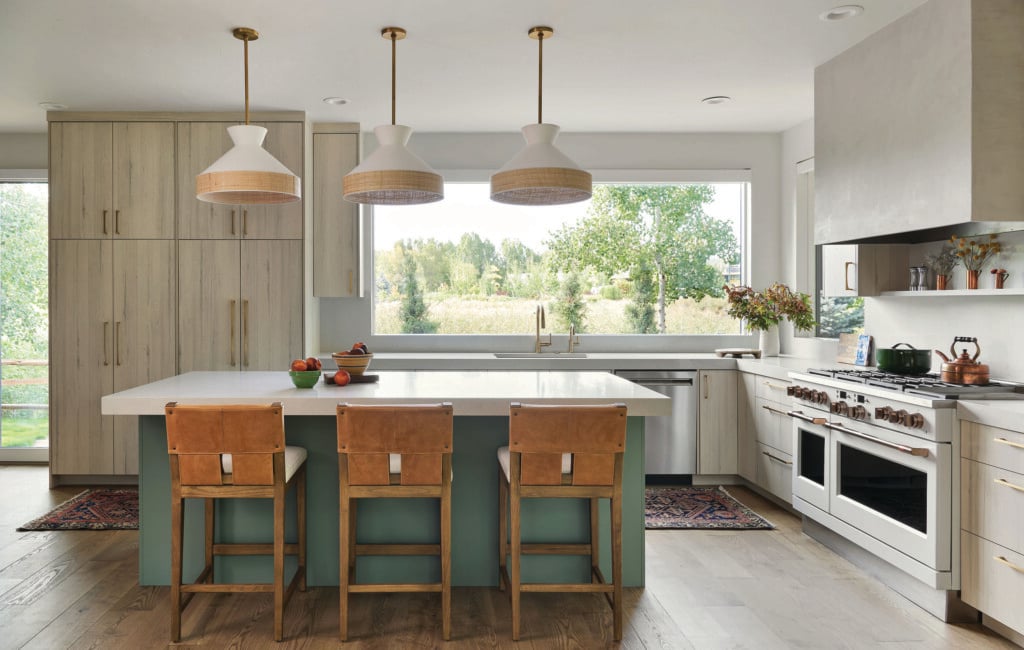
Jess Knauf, Jess Knauf Design
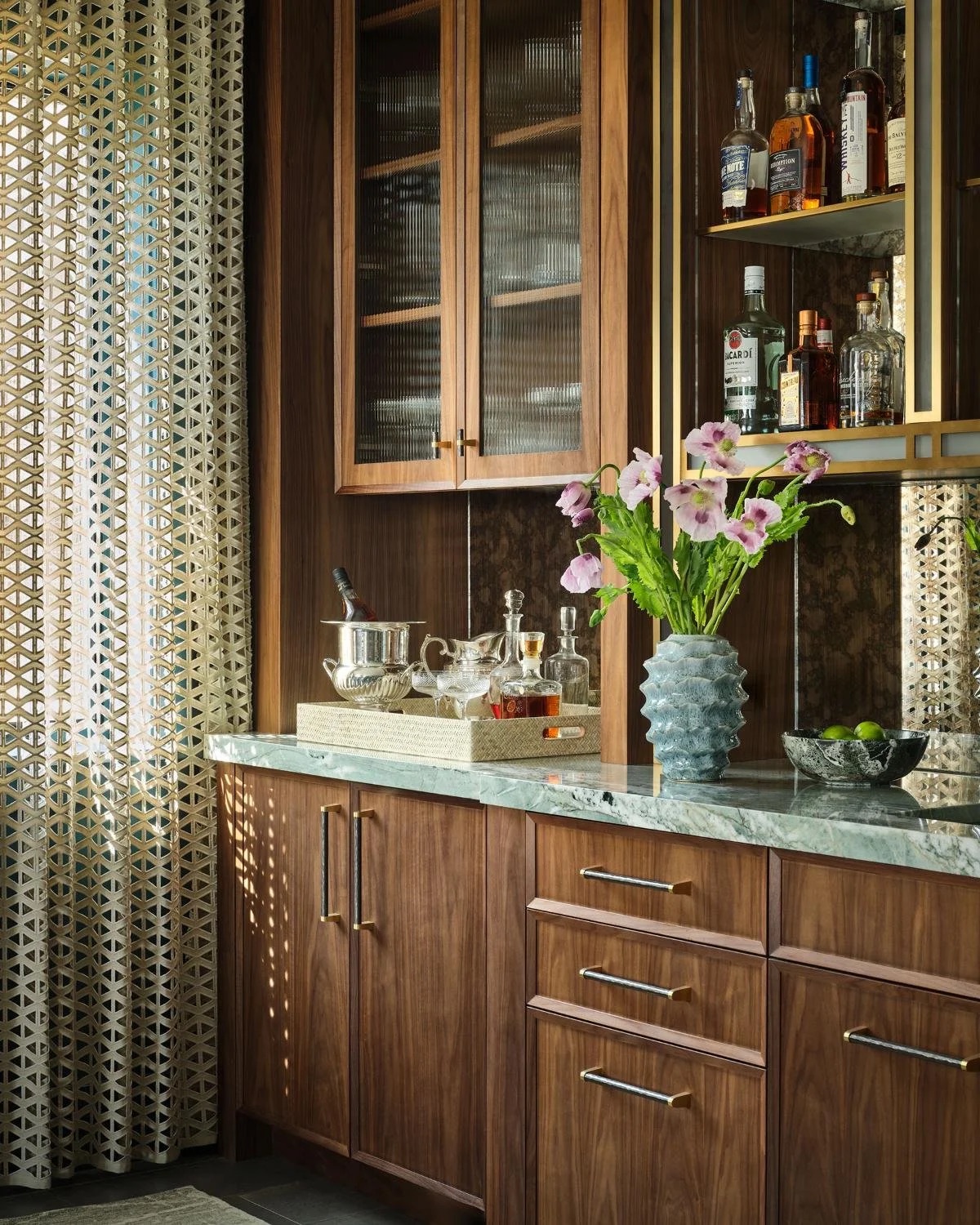
Photo: David Patterson Photography, Courtesy of Jess Knauf Design
I have been taking notes for months, so my definition might be a little too broad, but I do think the subject is so multifaceted. I really think maximalism is an expression of fearlessness in design. It rejects the uniformity of copy-paste interiors and instead prioritizes individuality, richness and more unique and handmade pieces.
It is an embrace of color, pattern, and contrast as intentional, expressive choices. At its core, maximalism is not excess for its own sake, but curation. Collections, antiques and personal artifacts are central, creating spaces that feel deeply personal rather than interchangeable. It is a design sense that creates spaces that are visually rich but also personal, intentional and distinct.
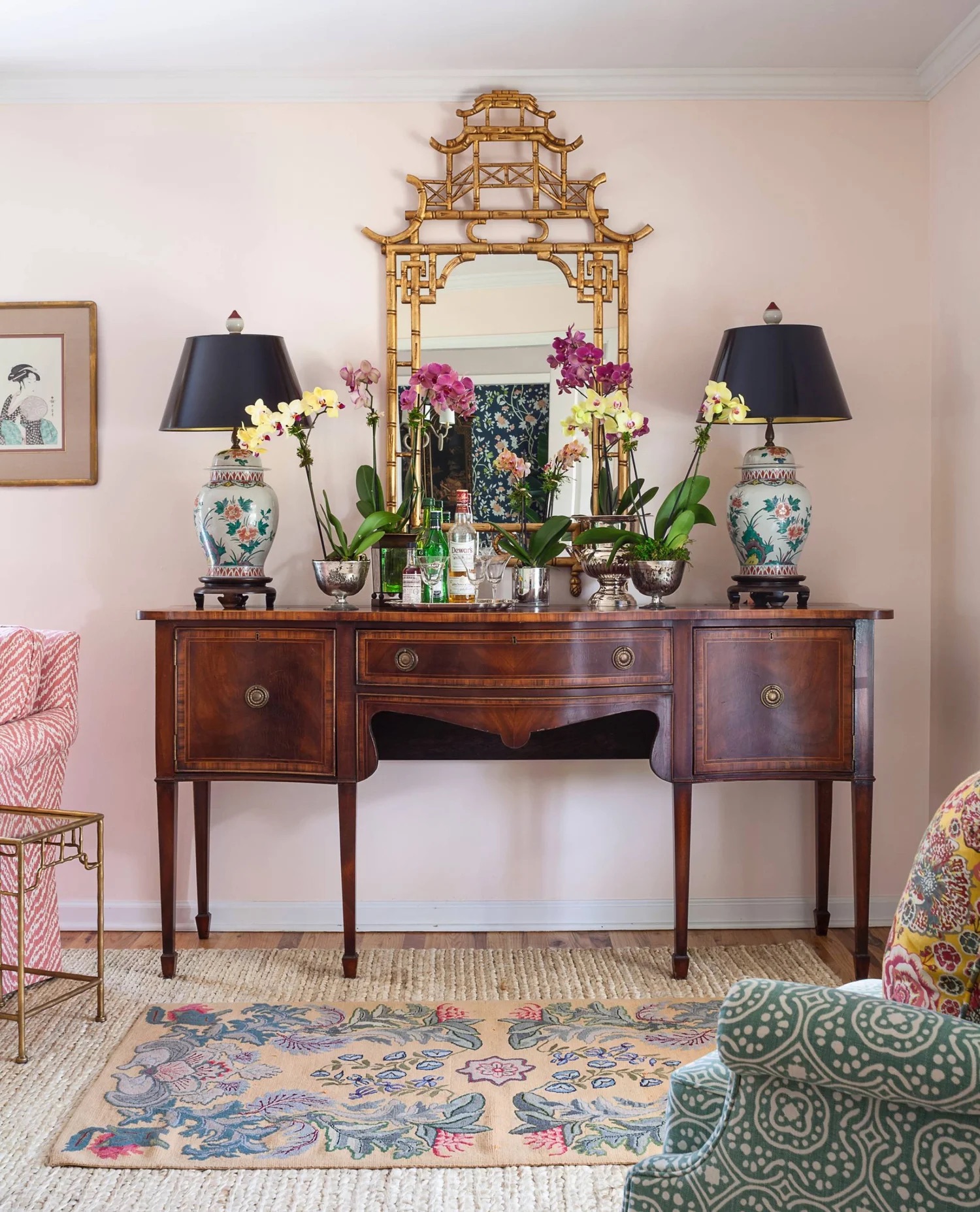
Photo: Susie Brenner, Courtesy of Jess Knauf Design
Jodi Cook Monts, Cook Design House

Photo: Emily Minton Redfield, Courtesy of Cook Design House
I would define maximalism as the practice of implementing layers of design elements into a space with the aim of creating a rich sensory experience via visual stimulation. This could be through exaggerated color, scale, pattern, texture, or combinations of any or all of the above, and the result is visually abundant as opposed to restrained.
We most frequently include it in our work through color-drenching, the layering of patterns, and scale. In traditional/transitional design – which we most frequently execute – that might look like layering a striped floor tile with a floral wallpaper in a similar color palette (as shown in the girl’s bath image above). Or it might look like playing with the scale of lighting, like in the dark, moody powder bath with the oversized pendant hanging to the side of the sink seen below. Our approach to maximalism whispers conspiratorially rather than shouting from the rooftops.

Photo: Emily Minton Redfield, Courtesy of Cook Design House
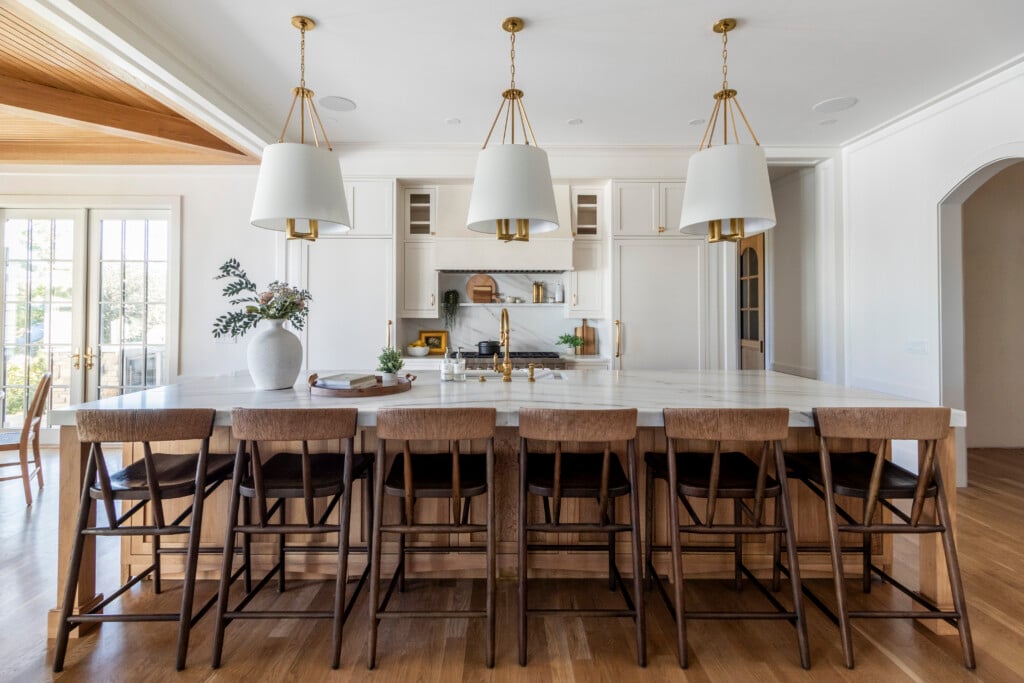
Tory Bond, Tory Bond Designs

Photo: Paige Sheehan, Blank Studios, Courtesy of Tory Bond Designs
I think maximalism right now is really just the pendulum swinging. We’ve had a decade-plus of very restrained interiors, all-white kitchens, and a lot of gray – so it makes sense that things are moving in the other direction. But for me, maximalism isn’t about more – it’s about depth, not breadth. The best spaces still feel layered but edited. They don’t feel cluttered, they feel curated.
In my work, I’m not really layering pattern on pattern on pattern. I’m layering in a way that feels collected. We like to mix old and new, bring in pieces from travels, use unexpected accessories – things that don’t feel overly matched or predictable. I’m always looking for that one piece that’s a little unusual or special – something that gives the room a point of view. And I want it to feel like it came together over time… not like it was installed overnight. Color is what lets all of that work. It’s what keeps everything feeling cohesive, even with a lot of layers.

Photo: Paige Sheehan, Blank Studios, Courtesy of Tory Bond Designs