Before You Build: 5 Costly Landscape Mistakes to Avoid
Sage advice from the pros at Phase One Landscapes.

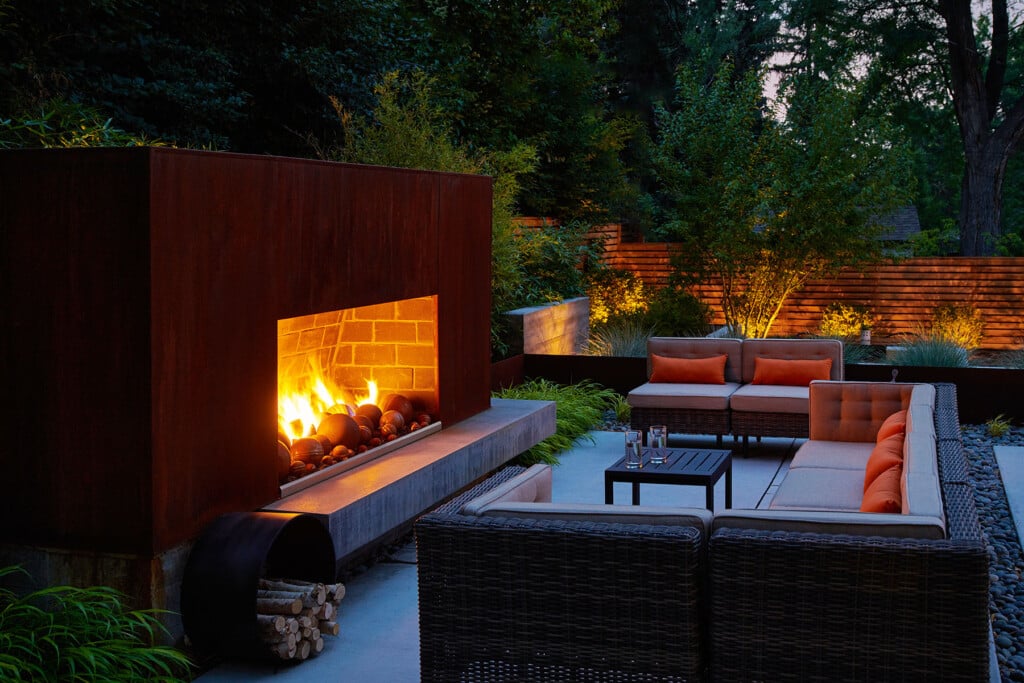
Photo: Phase One Landscapes
A well-designed landscape should feel effortless. It should function beautifully, age gracefully, and add long-term value to your home. Unfortunately, many of the costly problems we see begin long before construction ever starts. Here are five common and expensive mistakes to avoid:
1. Neglecting a Grading & Drainage Plan
Drainage is the least glamorous part of a landscape, but it may be the most important.
In Colorado, freeze/thaw cycles, spring snowmelt, and heavy summer storms quickly expose poor grading. One of the biggest red flags is when a contractor skips a proper site survey. A professional survey provides critical elevation and slope data that informs how water should move across the property.
Landscape designers use this information to develop a grading and drainage plan to direct water away from foundations and hardscapes. Swales, underground piping, and properly sloped surfaces are deliberate decisions, not afterthoughts. When drainage is ignored, homeowners often face settling patios, foundation concerns, and repairs that far exceed the cost of doing it correctly from the start.

Photo: Phase One Landscapes
2. Poor Irrigation Strategy & Forgetting to Winter Water
Irrigation systems should be strategic, not simply automatic.
In Denver’s semi-arid climate, efficient water use is critical. Strategically designed irrigation systems will separate turf zones with pop-up spray heads from plant bed zones requiring drip irrigation. Spray heads must be spaced and aligned correctly to avoid dry patches in your lawn or over spraying unnecessarily onto hardscapes. Drip zones should be designed to match plant water needs rather than treating all plants the same.
More important, however, is acknowledging that we are in an ongoing and dangerous drought cycle. Water conservation is no longer optional and responsible irrigation design is a must. A properly programmed irrigation clock with flexible programs to differentiate zones and water times will reduce runoff while protecting plant health.
Winter watering also plays a major role in the health of your landscape, especially in Colorado. Extended dry periods and freezing temperatures can stress trees and shrubs and winter watering provides their roots with the moisture necessary to avoid desiccation and thrive in spring. Thoughtfully designed irrigation systems not only protect the health of your plants and your long-term investment.

Photo: Phase One Landscapes
3. Plant Selection Without Consideration to Colorado’s Climate
Not every beautiful plant at the nursery belongs in your yard.
At 5,280 feet, our elevation brings intense heat, temperature swings and unpredictable weather. Microclimates across a property or neighborhood can further influence plant performance.
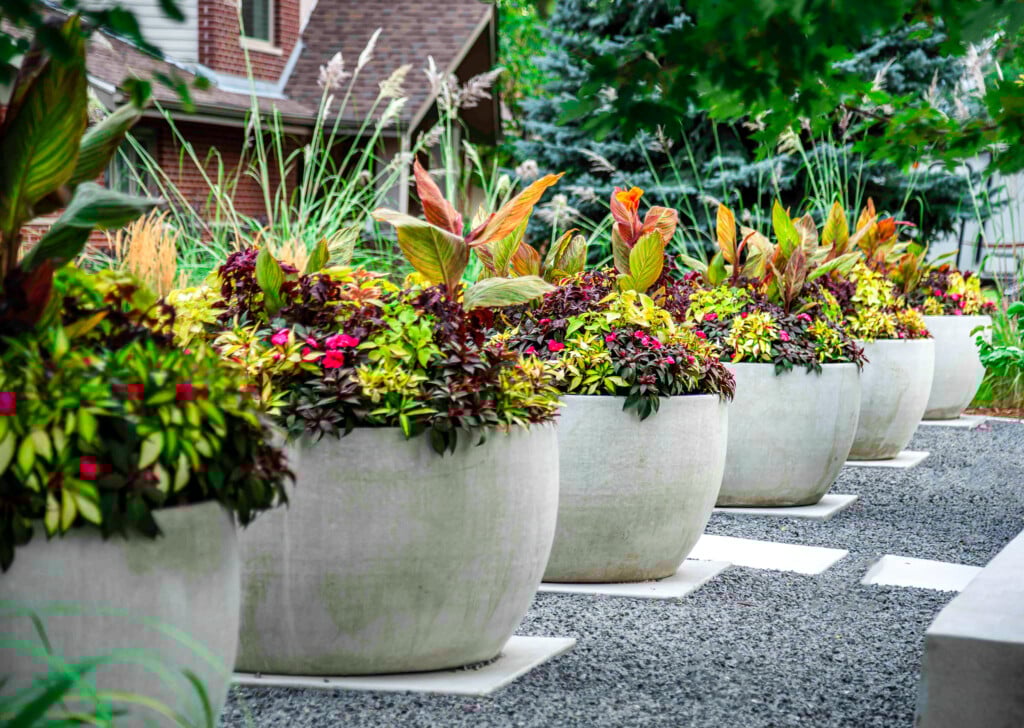
Successful landscapes rely on natives and drought tolerant, low water use plant selections that are well adapted to our unique conditions. Popular xeric choices such as ornamental grasses, penstemons, sand cherry and serviceberry often perform better long-term requiring less maintenance and reduce replacement costs. Plant selection should be thoughtful and site specific, not trend driven.

Photo: Phase One Landscapes
4. Compromising on Material Selection & Installation Standards
Materials and installation methods matter, especially with Colorado’s clay rich soil.
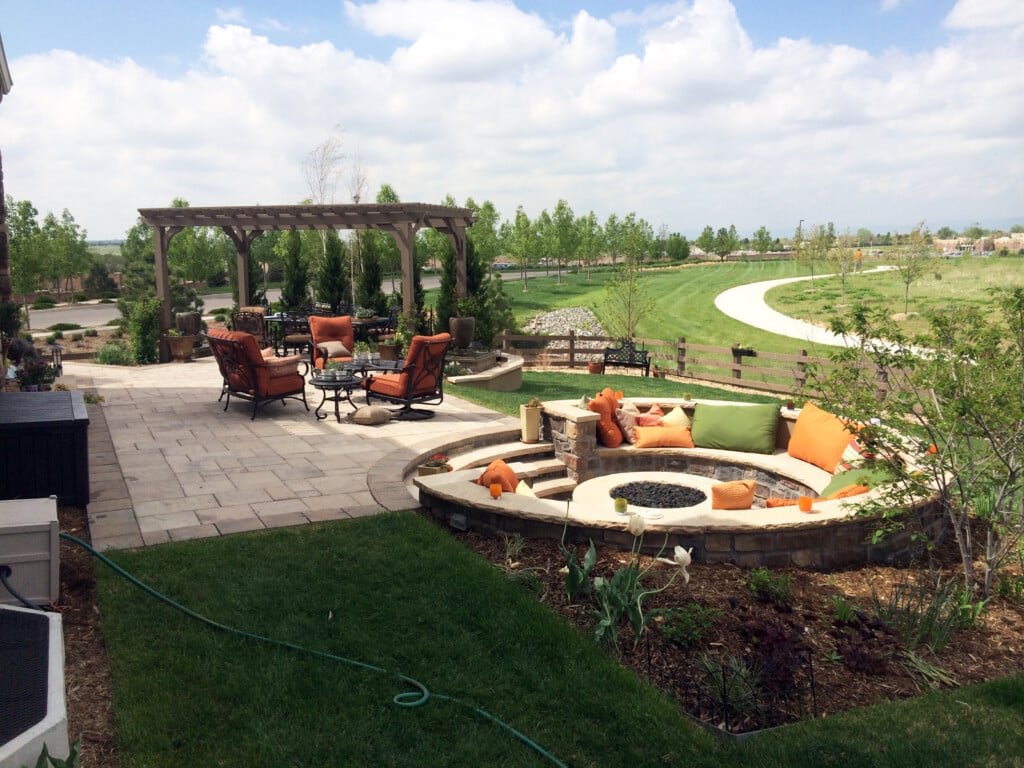
Expansive soils and seasonal ground movement wreak havoc on improperly installed hardscapes. Take patios for example; choosing stone or a quality paver and installing them using a dry laid system over a properly compacted base provides flexibility and durability. Unlike rigid concrete pours that crack when soil shifts, dry laid systems can move slightly and be adjusted if needed. Cutting corners or choosing cheaper installation methods may reduce upfront costs, but repairs and replacement often cost far more in the end.

Photo: Phase One Landscapes
5. Bypassing a Collaborative Design Process
Perhaps the most expensive mistake of all starts at the very beginning; skipping a thoughtful design process.
A well-executed landscape begins with planning. Some companies rush through design, limit revisions, or push a standard layout that does not truly respond to the homeowner’s property or lifestyle. A proper design process studies the site, its architecture, grading, viewsheds, and asks how the homeowner wants to live outdoors.
Design should be collaborative and refined through intentional revisions. When the process is rushed or undervalued, functionality suffers and budgets expand unnecessarily. Investing in good design from the start protects both the experience and the outcome.
Final Thoughts…
Landscaping is one of the most meaningful investments you can make in your home. When planned carefully, it enhances the home’s aesthetic, expands living space, and adds lasting value. When costly mistakes are made it often become a source of frustration and potential unexpected expenses.
The difference is rarely about spending more. It is about planning smarter. By prioritizing drainage, strategic irrigation, climate appropriate plant selection, quality materials, and a comprehensive design process, homeowners create landscapes that perform as beautifully as it looks for years to come.
Dave Graham is the co-owner and Charles Kollmann is a project manager at Phase One Landscapes, a landscape design/build firm that has designed and built hundreds of landscapes over the last 30 years in Greater Metro Denver neighborhoods, Boulder, and along the Front Range. View their profile or contact them at 303.750.6060 to request an initial consultation.
Sponsored Content for this article provided by Phase One Landscapes.