Design-Build vs. General Contractor in Colorado: What Homeowners Should Know
Differences in timeline, cost and stress are bigger than most people expect—especially for complex projects.

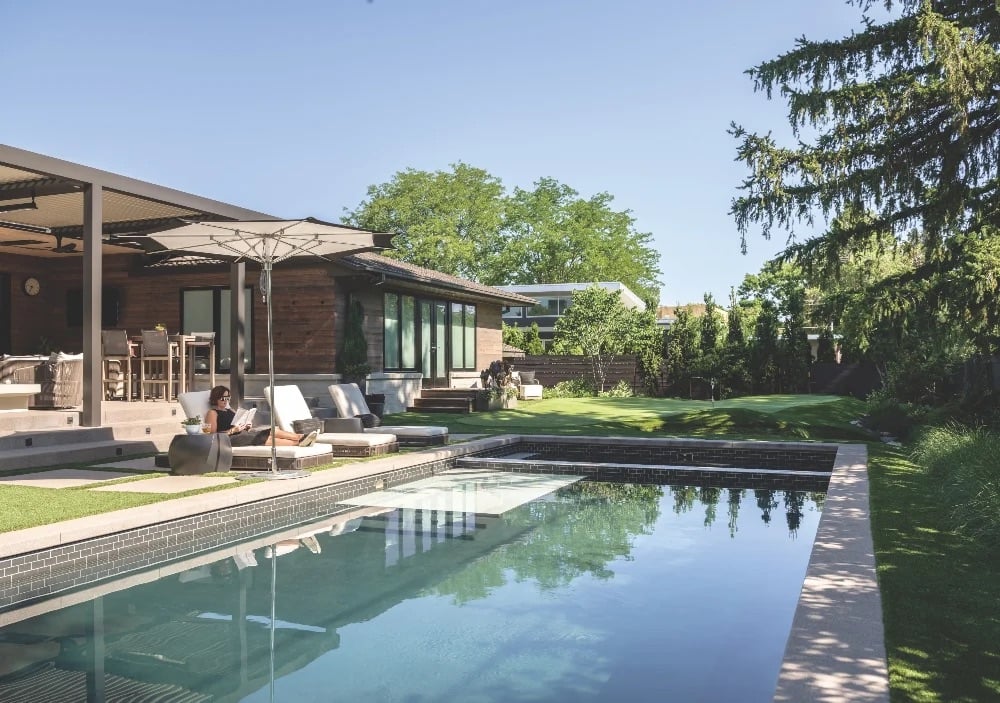
Photo: Logan Manaker
When Colorado homeowners begin planning a significant renovation, such as a kitchen transformation, a whole-home remodel, or an addition, one of the first decisions they face rarely gets enough attention is how to structure the project itself.
Two approaches dominate the residential renovation market: the traditional design-bid-build model, where a designer and a general contractor are hired separately, and the increasingly popular design-build method, where both disciplines operate under one roof.
Each has real merits, and understanding the difference can save months of frustration and thousands of dollars.
The Traditional Model: Designer and Contractor as Separate Entities

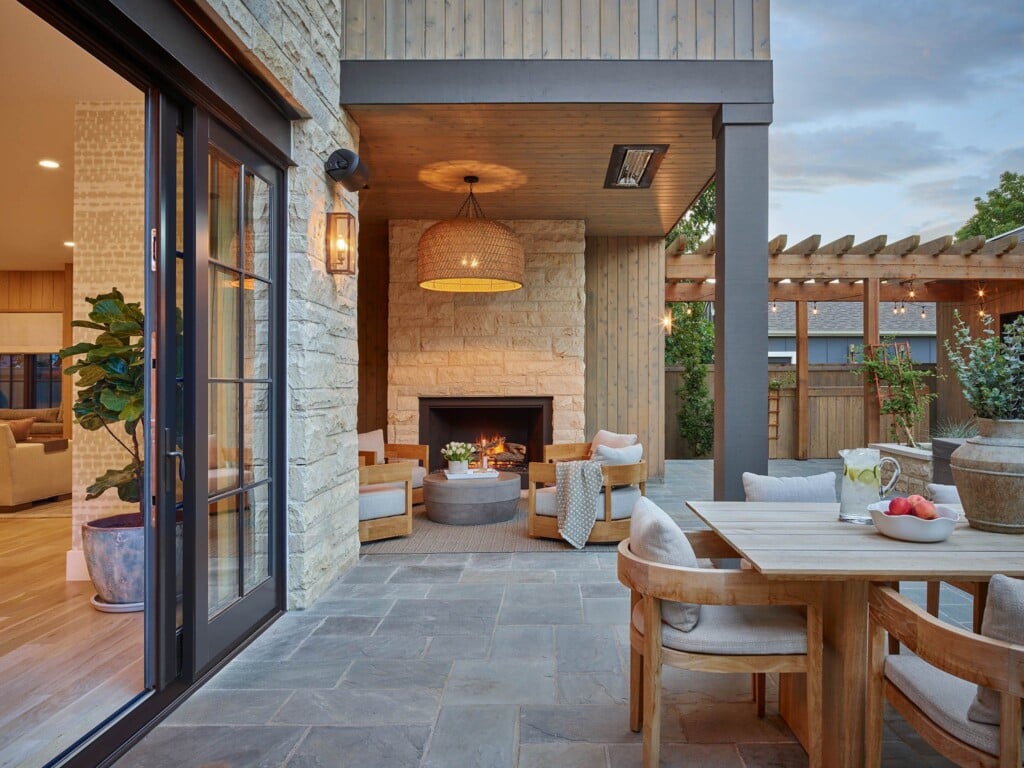
Photo: Logan Manaker
In the traditional approach, homeowners hire an architect or interior designer independently, develop a full set of plans, and then solicit bids from general contractors. On paper, this creates competition and price transparency. In practice, it often creates gaps.
When the designer and contractor operate under separate contracts with separate motivations, the homeowner frequently becomes the de facto project manager—fielding questions, mediating disputes, and translating between two parties who may have never worked together before. Budget surprises are common: designs get made without full knowledge of current construction costs, and value-engineering conversations happen late, when they’re most disruptive.
The Design-Build Difference: One Team, One Contract

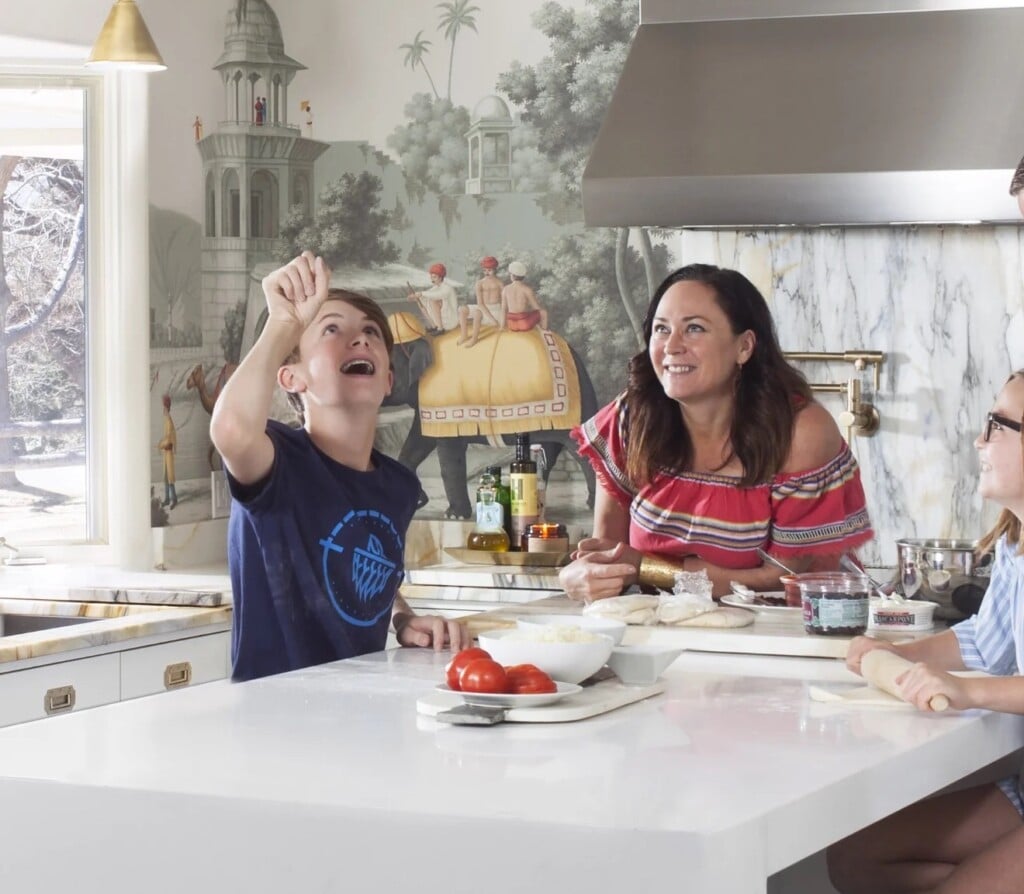
Photo: Kimberly Gavin
Design-build firms integrate architects, interior designers, and construction teams under one roof with a single contract and shared accountability. Because design and construction expertise work in tandem from day one, projects tend to be more accurately priced, more efficiently sequenced, and significantly easier to navigate as a homeowner.
Design decisions get made with real cost data at hand. Timelines are more predictable because pre-construction and design phases can overlap. And when questions arise mid-project—as they always do—there’s one team responsible for the answer. For homeowners in Denver and Boulder, where renovation demand keeps contractor calendars tight and skilled trades are stretched, this kind of cohesion tends to translate into faster project starts and fewer costly mid-build surprises.
Key Differences at a Glance

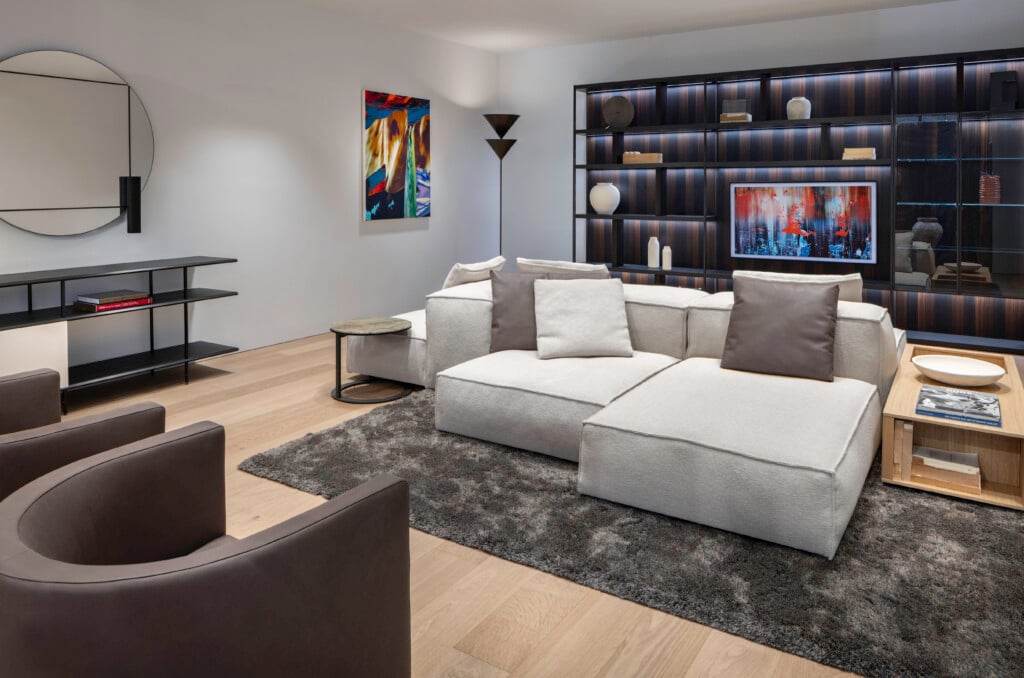
Photo: Logan Manaker
- Communication: Design-build centralizes it; traditional models fragment it across multiple parties.
- Budget Accuracy: Design-build firms price as they design, reducing scope-creep and late-stage surprises.
- Timeline: Integrated teams can overlap design and pre-construction phases, compressing the calendar.
- Accountability: One contract means one point of accountability—no finger-pointing between designer and contractor.
- Design Quality: Both models offer strong creative input; design-build simply keeps it connected to real-world buildability.
Choosing the Right Approach for the Project

Photo: Kimberly Gavin
For straightforward renovations with limited structural changes, the traditional model can work well—particularly when a homeowner already has a trusted designer and contractor relationship in place. For larger or more complex projects—additions, whole-home remodels, or major kitchen and bath transformations—the integrated design-build approach tends to reduce friction significantly and produce more predictable outcomes.
Colorado’s renovation market is competitive, and spring is when project calendars fill fastest. Homeowners who understand their delivery options early—and make decisions accordingly—tend to get better projects, better timelines, and a far less stressful experience along the way.
Josh Fiester is co-founder and CEO of Factor Design Build, an award-winning design-build firm serving Denver, Boulder, and the Colorado Front Range. As a one-stop solution for your luxury home renovation, they handle every detail, from initial design to final construction, ensuring a seamless and stress-free process. Visit their site or contact them at 303-872-3482.
Sponsored Content for this article provided by Factor Design Build.