Top Trends in Luxury Home Design: Wellness Spaces
Take a peek at some of the most sought-after amenities in the luxury custom home market.

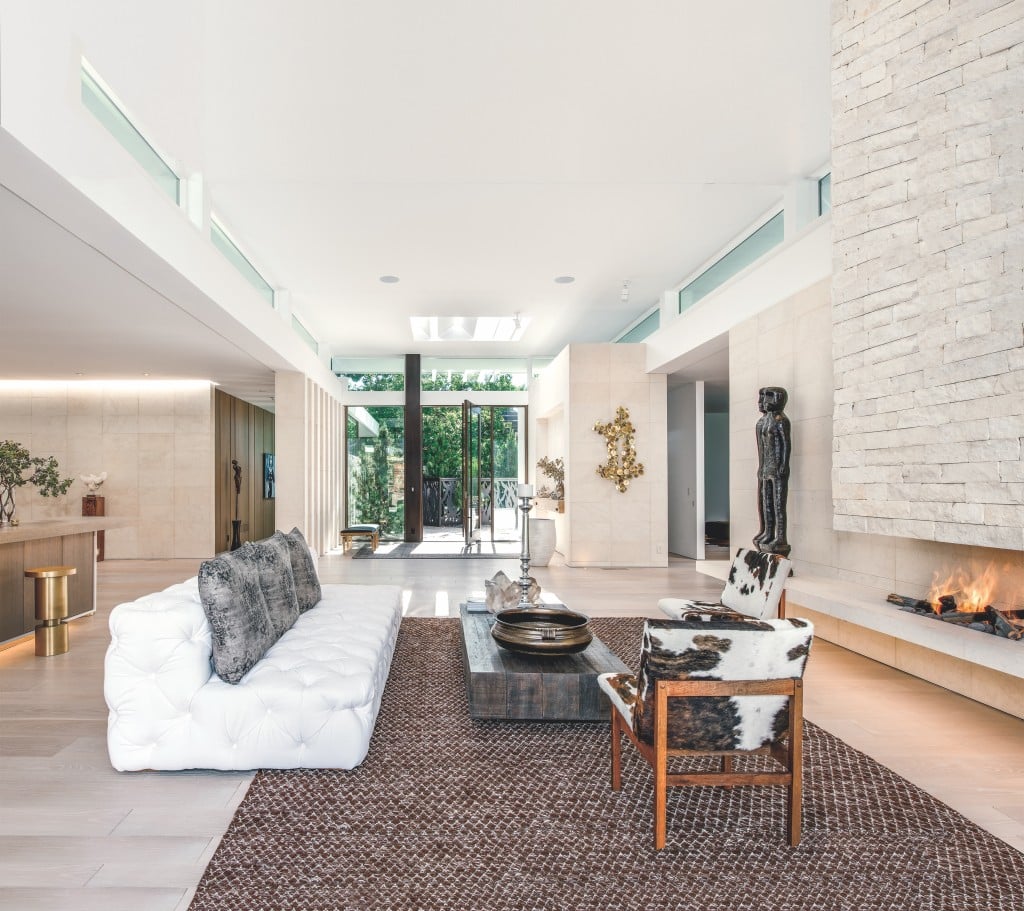
Photo: K Gavin Photography/ Stovall Studio
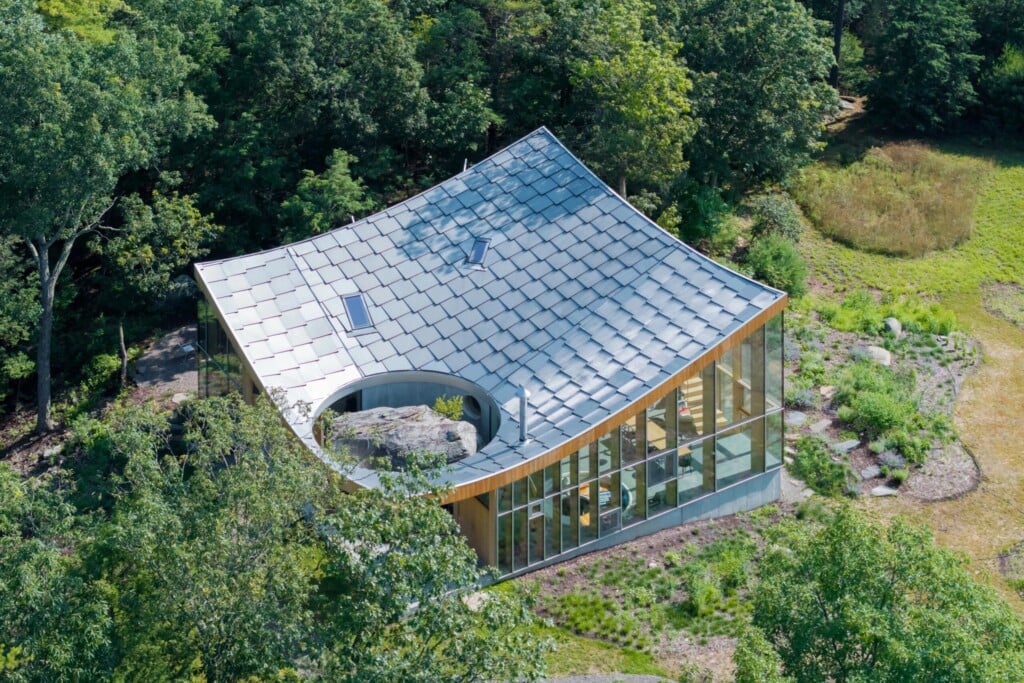
In luxury home design, wellness is most effective when it feels intuitive rather than indulgent—an approach that has shifted wellness spaces from isolated amenities to architectural extensions of daily life. Today’s luxury homeowners are gravitating toward homes that quietly support restoration, movement and mental clarity, favoring spaces woven into everyday routines rather than reserved for special occasions.
Spa-Like Features, Reimagined

Photo: K Gavin Photography/ Stovall Studio
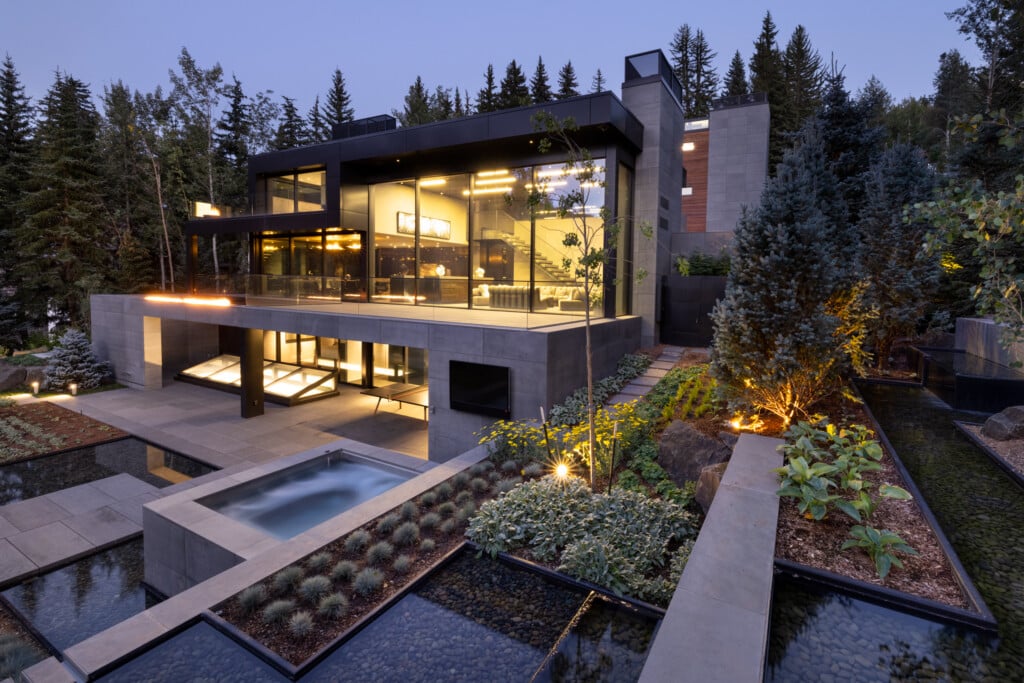
Today’s luxury homes incorporate spa-inspired features—lap pools, hot tubs, cold plunges, saunas and steam rooms—not as isolated showpieces, but as part of a holistic wellness strategy. Thoughtful placement near primary suites, outdoor spaces or fitness zones encourages regular use, while design details such as natural stone, subdued lighting and views to the landscape elevate the experience without excess. These spaces prioritize ritual and recovery, supporting both physical health and daily decompression.
Quiet Spaces for Restoration

Photo: K Gavin Photography/ Stovall Studio
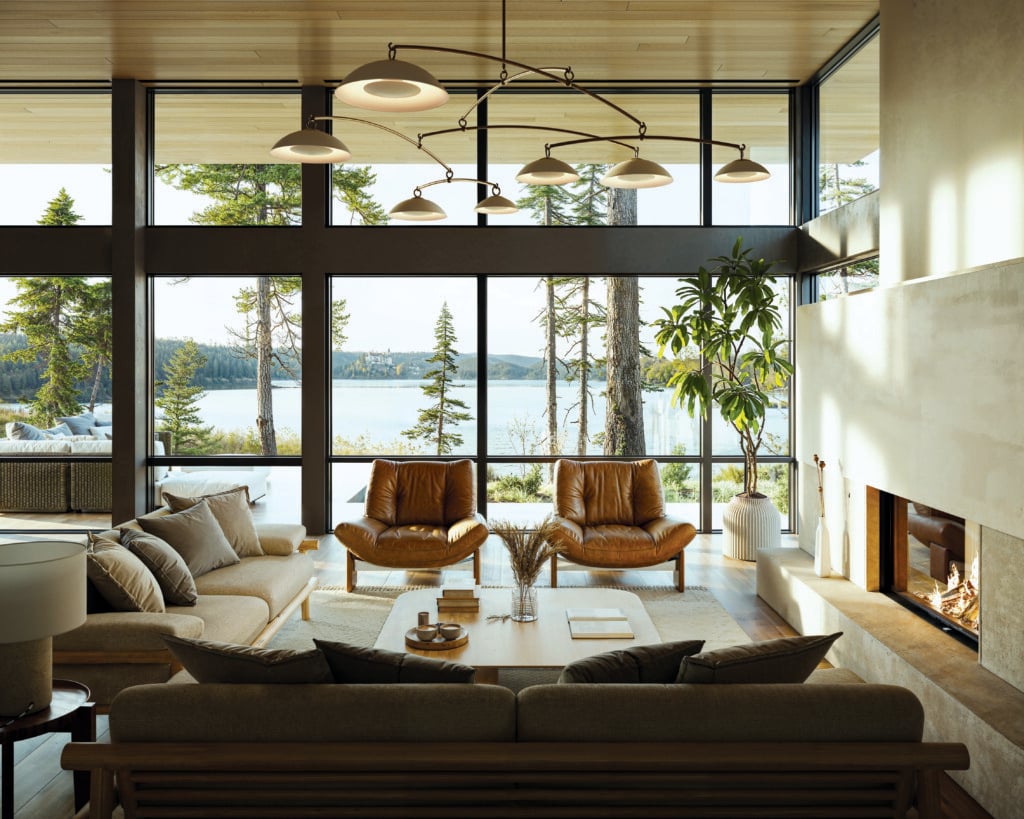
Wellness also comes from quiet moments. Meditation rooms, zen pools and lush outdoor spaces create opportunities to slow down, while smaller retreats like reading nooks, window seats and tucked-away lounges bring a sense of calm into everyday life. These spaces don’t require planning or special effort—they naturally draw people in. Their value is in how easily they fit into the home and support mental clarity and relaxation throughout the day.
Exercise Spaces That Inspire Use

Photo: K Gavin Photography/ Stovall Studio
Home fitness has evolved well beyond free weights and a yoga mat. Today’s luxury homes often include dedicated spaces for movement, such as yoga and Pilates studios, climbing walls, stretch rooms and flexible training areas. These spaces are designed with comfort in mind, from good lighting to proper ceiling height and sound control. The goal is not performance alone, but consistency. When workout spaces feel inviting and thoughtfully designed, they’re more likely to be used every day instead of sitting unused.
Outdoor Living as Wellness Infrastructure

Photo: K Gavin Photography/ Stovall Studio
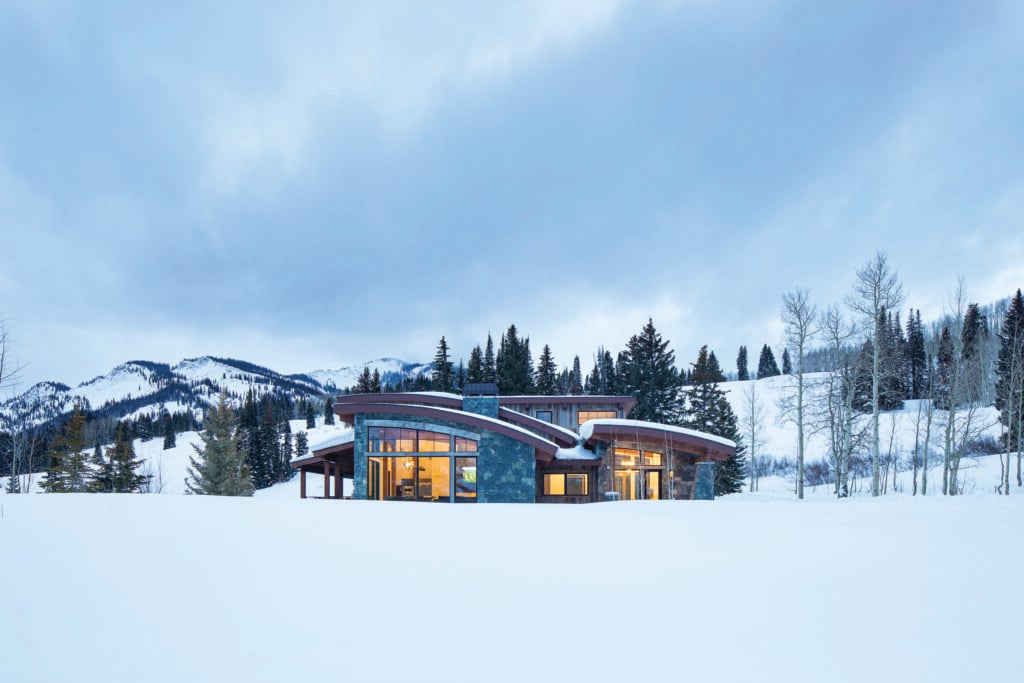
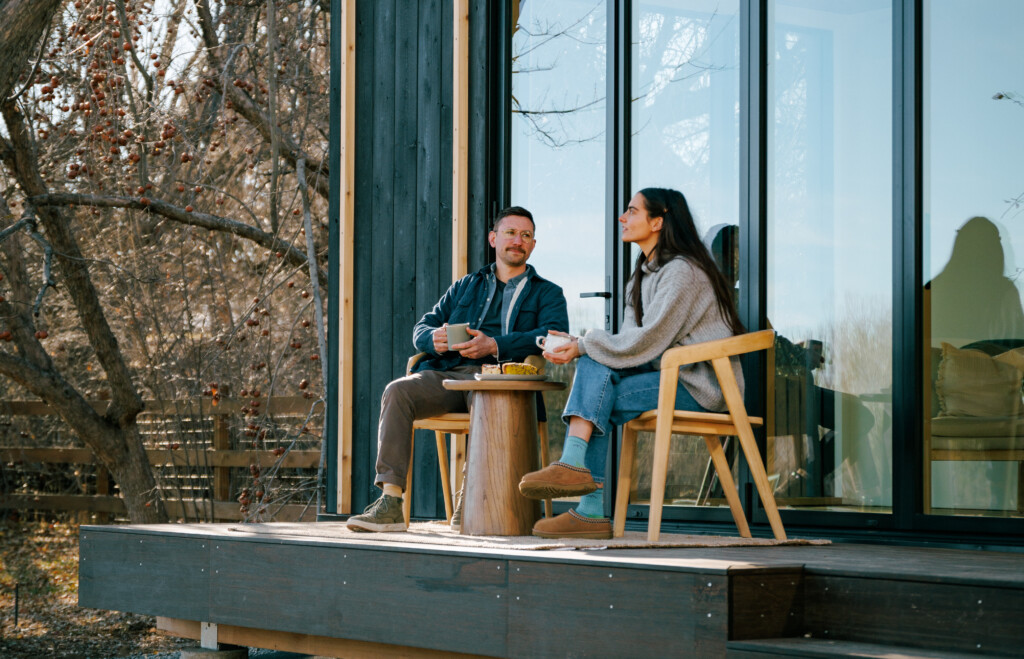
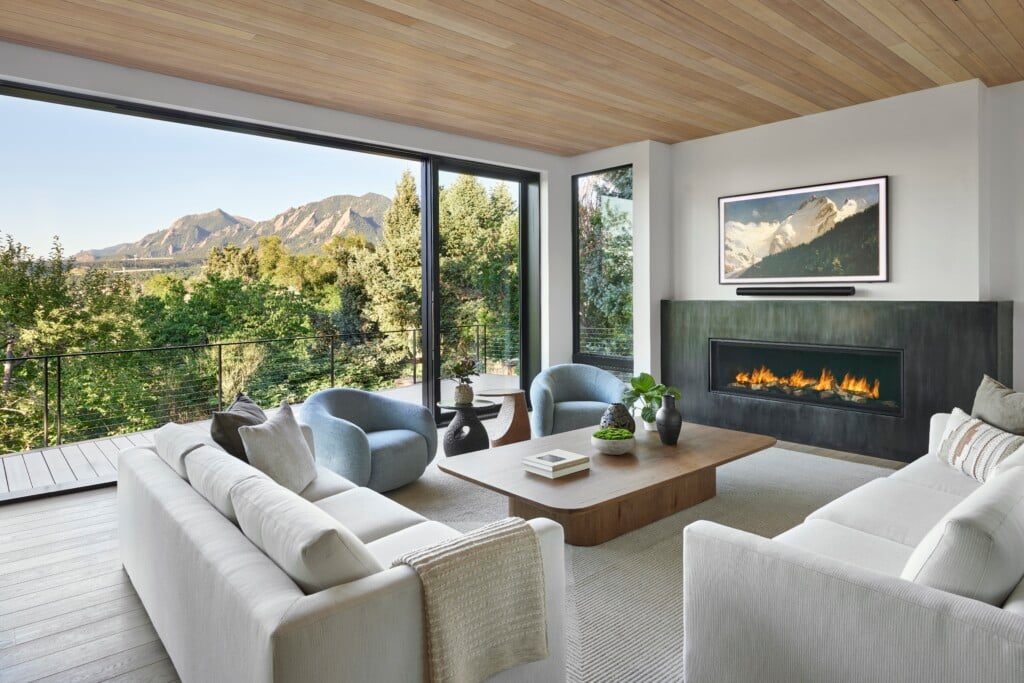
Patios, decks, fire-pits and outdoor gathering spaces play a critical role in wellness design by extending daily living into the landscape. These areas encourage movement, social connection and time outdoors—key contributors to overall well-being. Carefully oriented for privacy, sun and seasonal use, they become functional rooms rather than occasional destinations, reinforcing the connection between the indoors and outdoors.
Transition Spaces That Set the Tone

Photo: K Gavin Photography/ Stovall Studio
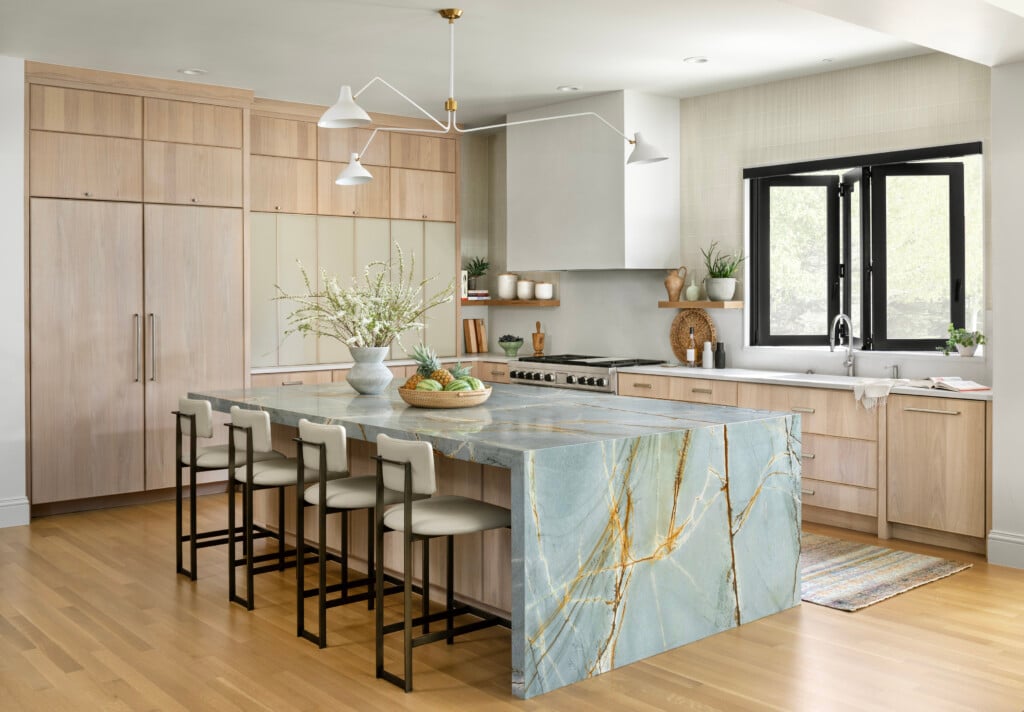
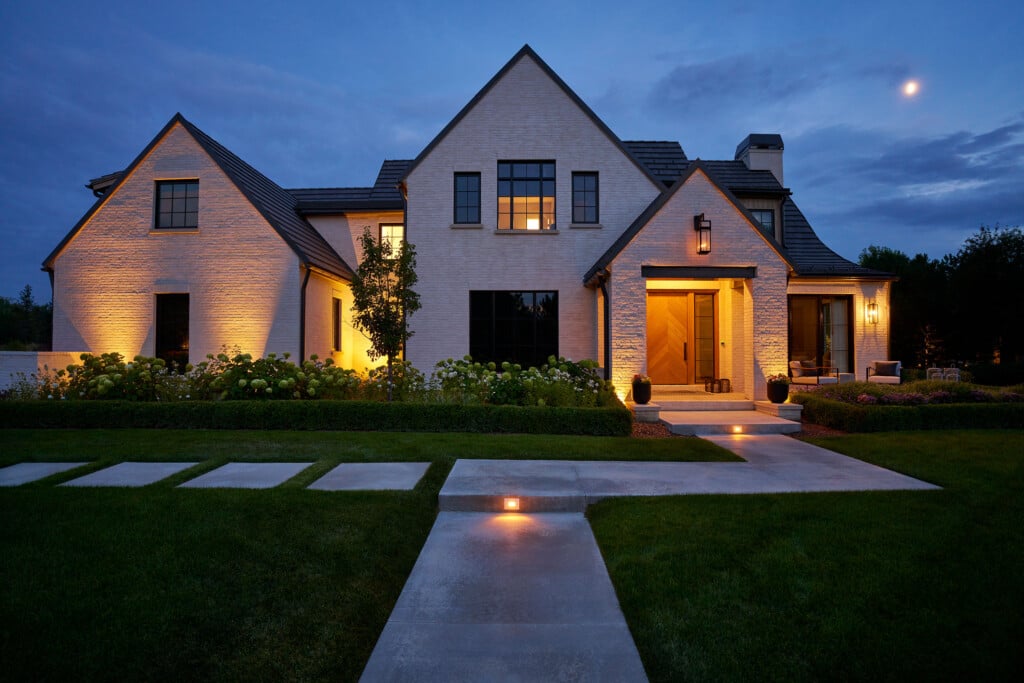
Even the most utilitarian spaces can support wellness when designed intentionally. Entry areas and mudrooms serve as important thresholds between the outdoors and the interior environment. Elevated with luxury touches, these spaces can ease daily transitions, reduce clutter and create a sense of order—quietly improving how the home functions day to day.
Together, these elements illustrate a broader shift in luxury home design: wellness not as a collection of amenities, but as an integrated framework that enhances how a home is lived in, cared for and enjoyed over time.
Kyle Webb, AIA is the founder of KH Webb Architects in Vail, Colorado, an architecture firm celebrating 27 years of creating innovative architectural designs that characterize the personality of both the client and the land where it is built. View their profile or contact their office at 970-477-2990.
Content for this article provided by KH Webb Architects.